OCD is a shapeshifter: its exact appearance varies from person to person and often changes over time. A popular misconception is that people with OCD are hell-bent on keeping everything neat and tidy. While this is one way that the condition can manifest, it is far from the only way.
OCD first entered my life when I was about 9 years-old. There had been a flood at school and I was deathly afraid that I would cause the next one. Initially, I was just double-checking every tap in the school bathrooms, but soon I was checking them a minimum of 5 or 6 times, and doing the same at home (and just about everywhere) else. Before too long I was losing hours a day and getting up multiple times throughout the night because I was worried I’d left all the taps on.
Since then, my OCD has taken on myriad forms. Some forms have been more internal: fixating on my emotional response to situations to ensure that I am a good person; and some forms have been more external: making sure I think the right thing when I walk through doorways to make sure I don’t forget how to speak Spanish.
These varying behaviours, arise from the dirty tactics my OCD uses to get my attention: It finds something important to me (be that my morals or my skills) and bombards me with intrusive thoughts to reel me into a fearful and panicked state and then provides me with a way to seek reassurance.
For example, I almost entirely lost the ability to write during my GCSEs because I had to be thinking the “right” things while I was writing or else I would somehow lose my ability to feel emotions and empathise with other people. And while I know this sounds nonsensical and unreal, the fear evoked by these intrusive thoughts – about becoming an emotionless monster – was so real that I had no choice but to give into these thoughts: it was agonising to not do so.
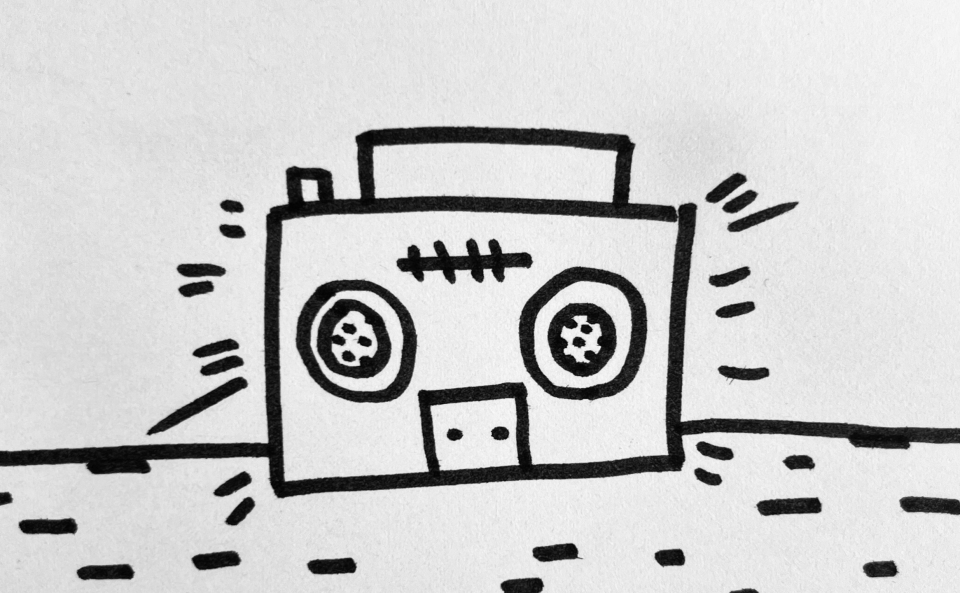
If I had to pick one common thread through all the ways in which my OCD has liked to rear its ugly head in my life, it would be the doubt that it is SO good at sowing. It is a radio station constantly streaming catastrophic what-if scenarios, only interspersed with adverts for compulsive behaviours that promise to reassure me for a while.
Over the years, it has driven a wedge between me and the things that are most important to me: my memories, my values and how I feel about the people I am closest with. Not only does the disease erode your ability to trust yourself, but also the very idea of yourself.
Perhaps, my discontent with this popular image of OCD as just an obsession with neatness and cleanliness doesn’t just stem from the inaccuracy around common themes in OCD, but also from the failure of this image to convey just how sinister and debilitating it really is.
 Jamie Davis